Is a “Free Website” Actually Free? Here's How It Really Works
If you've searched “free website for small business,” you've probably had the same reaction most people do: that sounds like a catch. Nothing is free, right? Fair skepticism — but the model behind a legitimate free website offer is simpler (and more honest) than it sounds. Here's exactly how it works.
Why “Free” Makes People Suspicious (For Good Reason)
The website space has trained small business owners to expect hidden fees: a low sticker price followed by upsells for hosting, plugins, stock photos, SSL certificates, and “priority support.” So when a company says “free website,” the reasonable question is: free until what?
That skepticism is earned. Plenty of “free” software offers in other categories have used the word loosely — a free trial that auto-converts to a paid plan, a free tier so limited it's unusable, or a free product funded by selling user data. It's reasonable to hold a free website offer to the same scrutiny you'd apply to any of those, and to expect a straight answer about where the revenue actually comes from.
How a Free Website Business Model Actually Works
Instead of charging a one-time design and build fee, a free website program folds that cost into a flat, ongoing managed hosting subscription. With Hoot Free Website, that's $15/month. The design work — up to 5 pages, brand customization, stock photography, content editing — is fully covered because the hosting relationship is what generates revenue, not the build itself.
This isn't a new idea. It's the same model as a phone carrier subsidizing a device because they'll make the money back on your monthly plan. The difference is that with a website, you're getting an asset that helps your business earn revenue in return, not just a phone.
What's Typically Included in a Free Website
A well-built free website offer should include real design work, not just a form-fill template generator. At minimum, look for:
- Professional design built by an actual design team, not an AI-only template
- Brand customization — your colors, fonts, and voice
- Included stock photography and video
- Content editing and organization, so your copy reads clearly and supports SEO
- A CRM and marketing tools built in (leads, pipeline, email, invoicing)
- Google SEO essentials: on-page SEO, sitemaps, and analytics wired up from day one
A Simple Way to Vet Any “Free” Offer
You don't need to take a company's word for how their free model works — you can verify it in a few minutes. Ask directly: who designs the site, what's the monthly cost once it's live, what counts as an included update versus a billable one, and what happens if you cancel. A company with a legitimate model will answer all four without hesitation, usually in writing on their own pricing or FAQ page. If those answers are vague, hard to find, or only come after you've handed over payment details, treat that as the real red flag — not the word “free” itself.
What You Do Pay For
Transparency matters here. On a program like Hoot Free Website, the ongoing costs are:
- $15/month for managed hosting once your site is live
- Optional add-ons: domain registration, file storage, Google Workspace email
- Larger updates or added functionality beyond the free scope, which may be billed hourly
The key difference from a bait-and-switch “free” offer is that these costs are disclosed up front, not discovered after launch.
Red Flags to Watch For in “Free Website” Offers
- No mention of who actually designs the site (fully automated builders often produce generic results)
- Long-term contracts with steep early-termination fees
- No clear answer to “what happens if I want to leave?”
- Vague or missing detail on what counts as an included update vs. a billable one
Is It Right for Your Business?
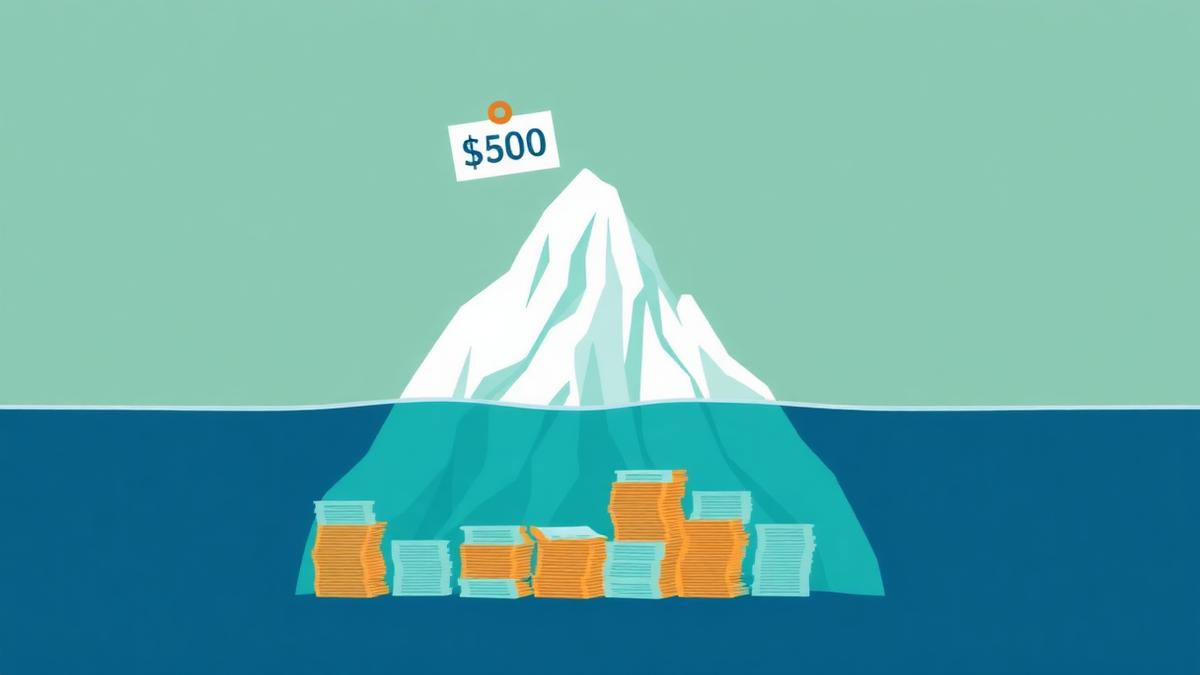
A free website model makes the most sense if you'd rather spend your time running your business than building and maintaining a site yourself, and you're comfortable with a small, predictable monthly hosting cost instead of a large upfront design bill. If you want to compare it directly against $500 template builds and DIY platforms, that's covered in our companion posts on website pricing.
It's worth noting what a free website model is not: it's not a way to get a website with no ongoing relationship at all, and it's not the right fit if you specifically want to own and self-host your site outside of any provider. What it is designed for is small business owners who want a professional result without managing design, hosting, and lead tracking as three separate projects.
Frequently Asked Questions
You own the content and brand — the site itself runs on the provider's managed hosting for as long as you're subscribed, similar to how a Shopify or Wix site works. Ask any provider directly about export and portability options before signing up.
A transparent provider should be able to tell you clearly, before you sign up, what happens to your site and your domain if you cancel — including whether you can take your content elsewhere.
Not necessarily. Quality depends on who's doing the design work, not the pricing model. Ask to see a portfolio before assuming a free offer means a lower-effort build.
See exactly what's included — no design fees, no build fees, just $15/mo managed hosting once you're live.
Start Your Free Website →